
Distributed Databases for Real-Time Analytics: Architecture and Tradeoffs
Explore how distributed databases handle real-time analytics workloads, the architectural tradeoffs involved, and what it takes to query fresh data at scale.
Explore how distributed databases handle real-time analytics workloads, the architectural tradeoffs involved, and what it takes to query fresh data at scale.
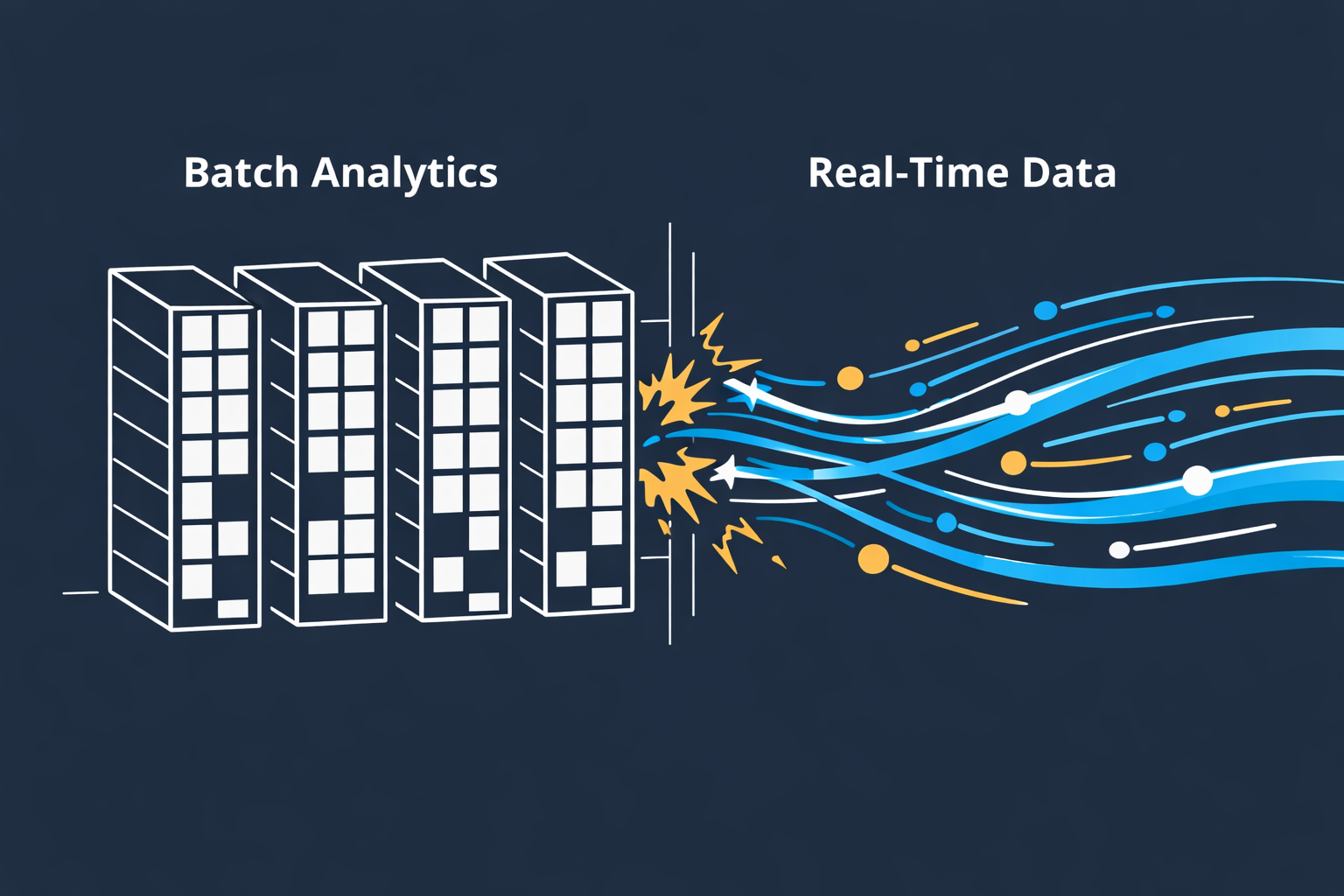
Traditional columnar databases excel at batch analytics, but real-time workloads expose architectural limits. Learn why and what real-time columnar systems need.
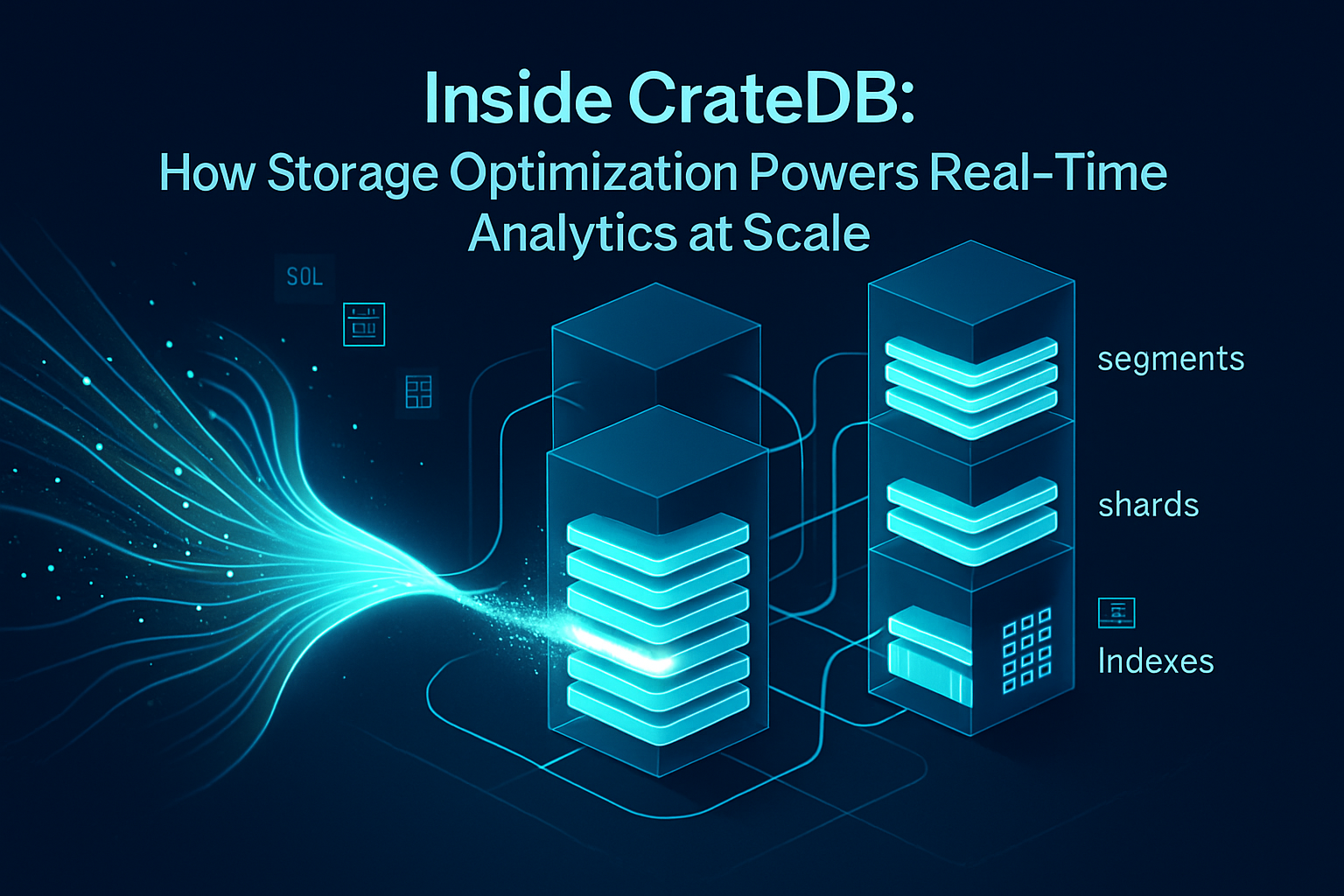
Discover how CrateDB’s Lucene-based storage optimizes real-time analytics, enabling efficient, scalable, and adaptive data management for continuous insights.
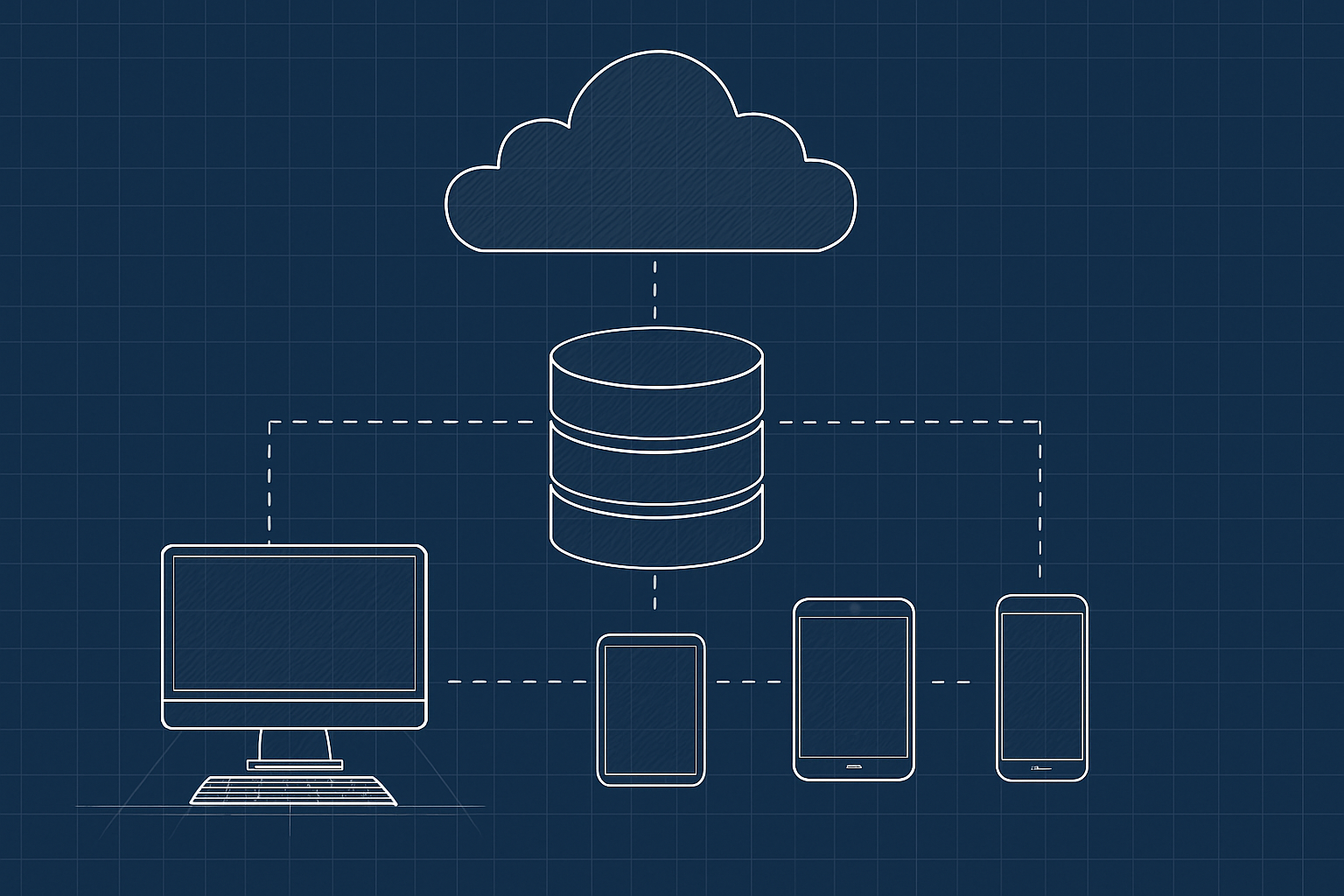
Explore the architecture of real-time databases, focusing on low latency, scalability, and fault tolerance to handle continuous data with immediate queryability.

Discover how CrateDB achieves low latency and real-time performance for massive datasets, enabling fast decision-making in data-driven applications.
Optimizing high data ingestion is crucial for operational stability and growth. Learn how CrateDB ensures seamless real-time processing in modern business environments.
Learn how CrateDB revolutionizes database management with automatic indexing on every column, simplifying queries and boosting performance without upfront schema planning.
Read about the independent time series benchmark comparing CrateDB, MongoDB, and InfluxDB. Discover how CrateDB outperforms in ingest capabilities and complex ad hoc queries, making it a top choice for time series data.