
Run Your First CrateDB Cluster on Kubernetes, Part One
Part one of a miniseries that walks you through the process of setting up your first CrateDB cluster on Kubernetes.
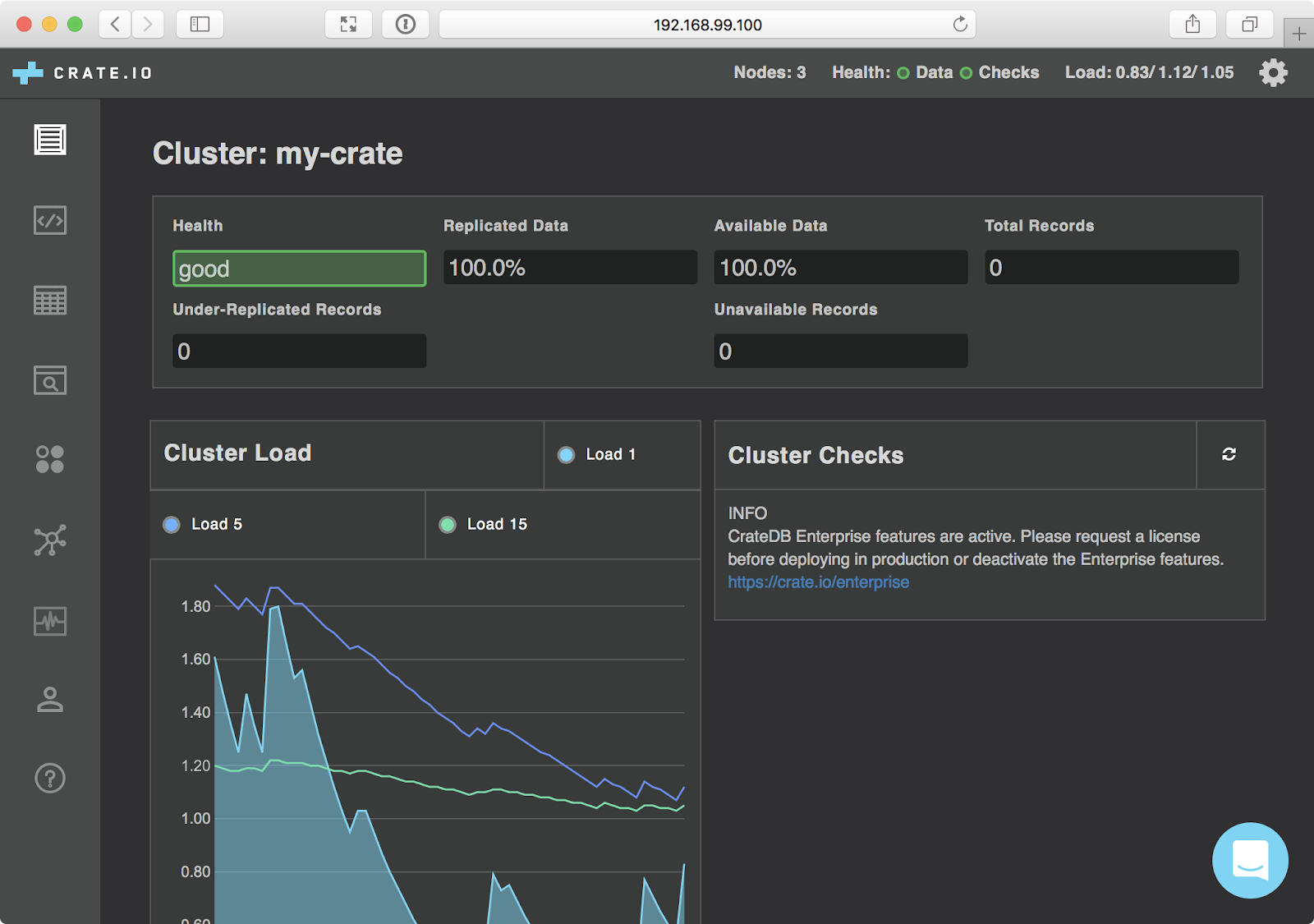
Part one of a miniseries that walks you through the process of setting up your first CrateDB cluster on Kubernetes.
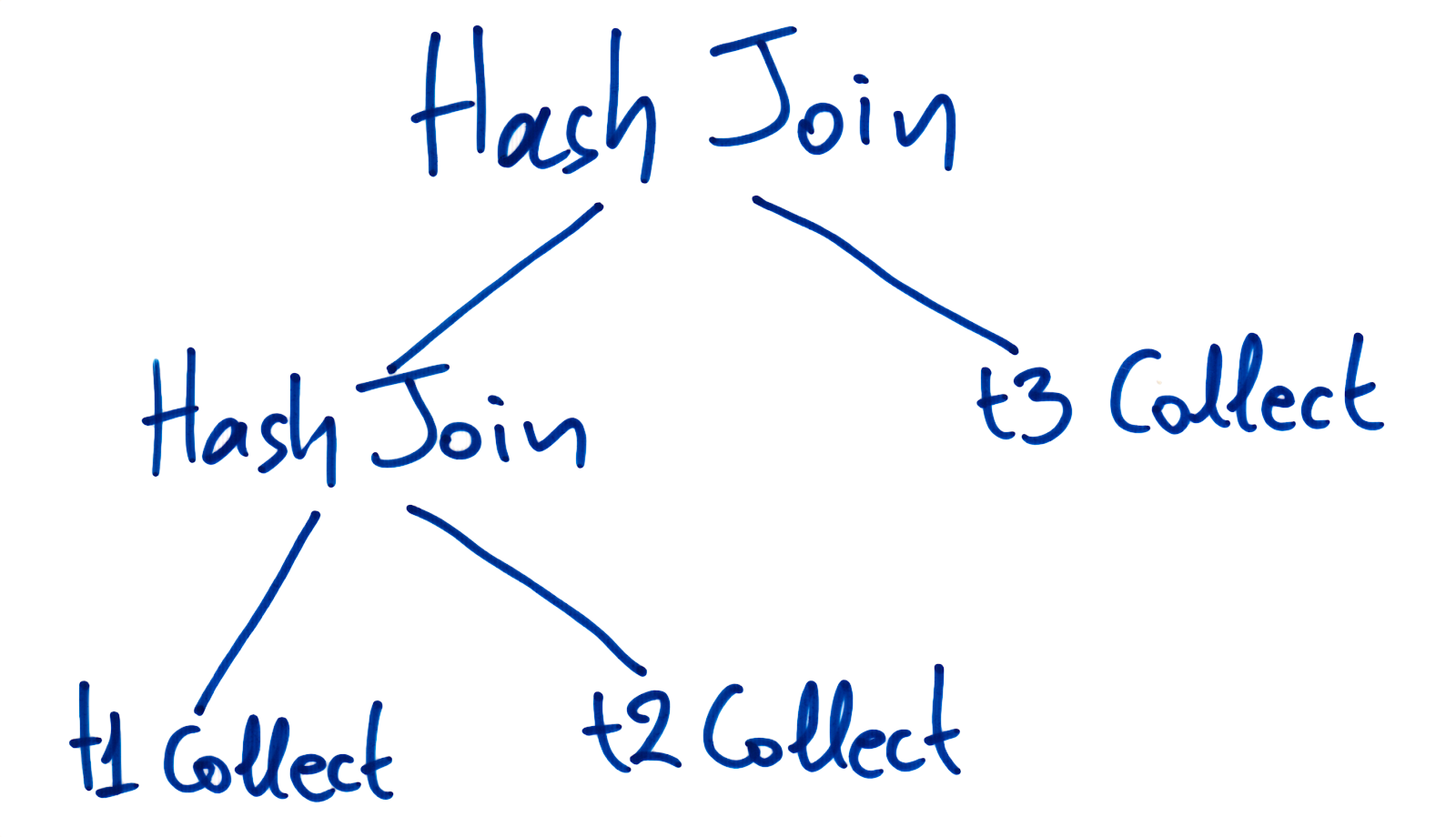
This is part two of a three-part miniseries that looks at how we improved join performance in the CrateDB 3.0 release.
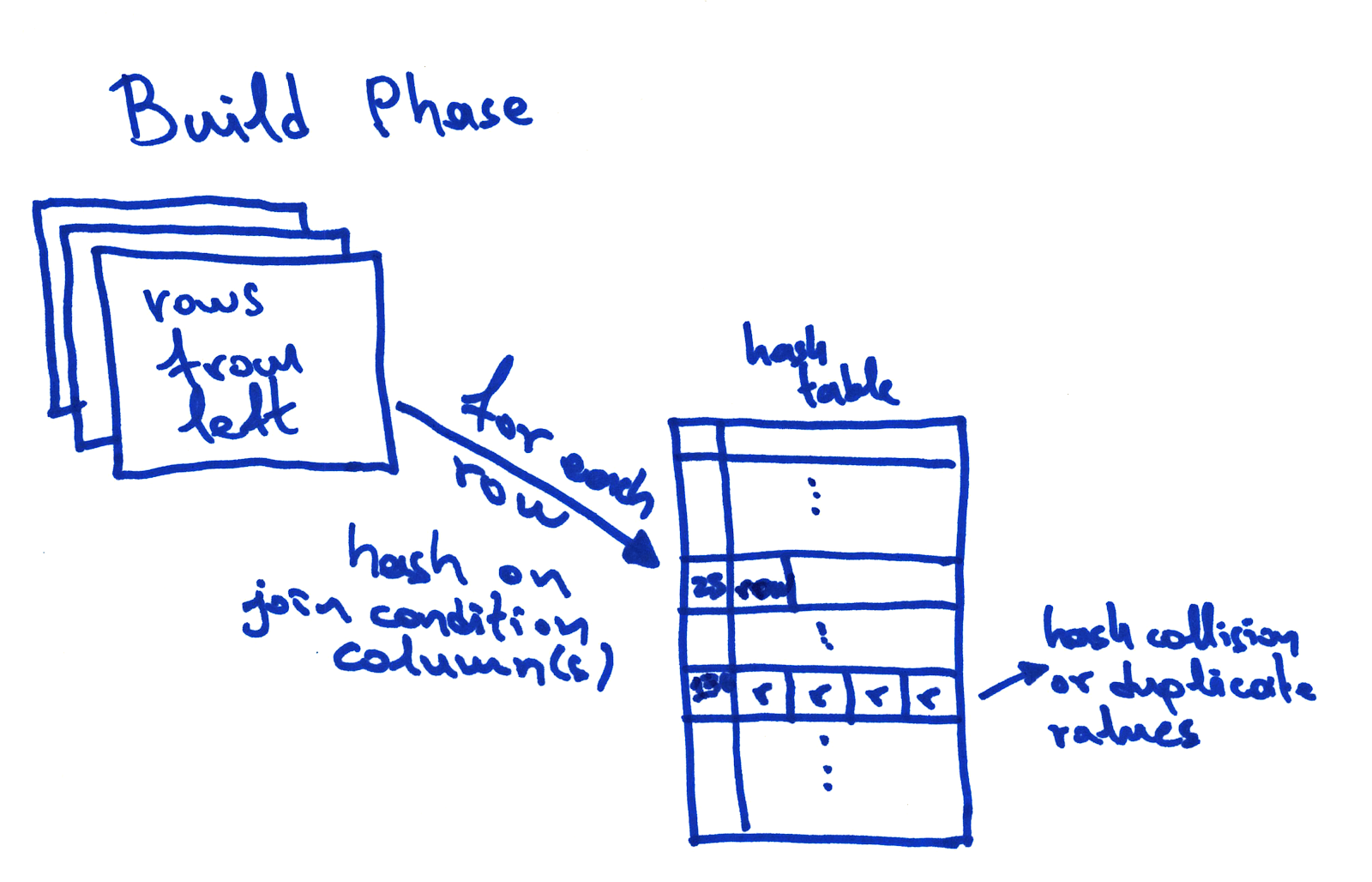
We made faster joins by implementing a block hash algorithm and distributing its execution across the cluster. Find out more in this post.
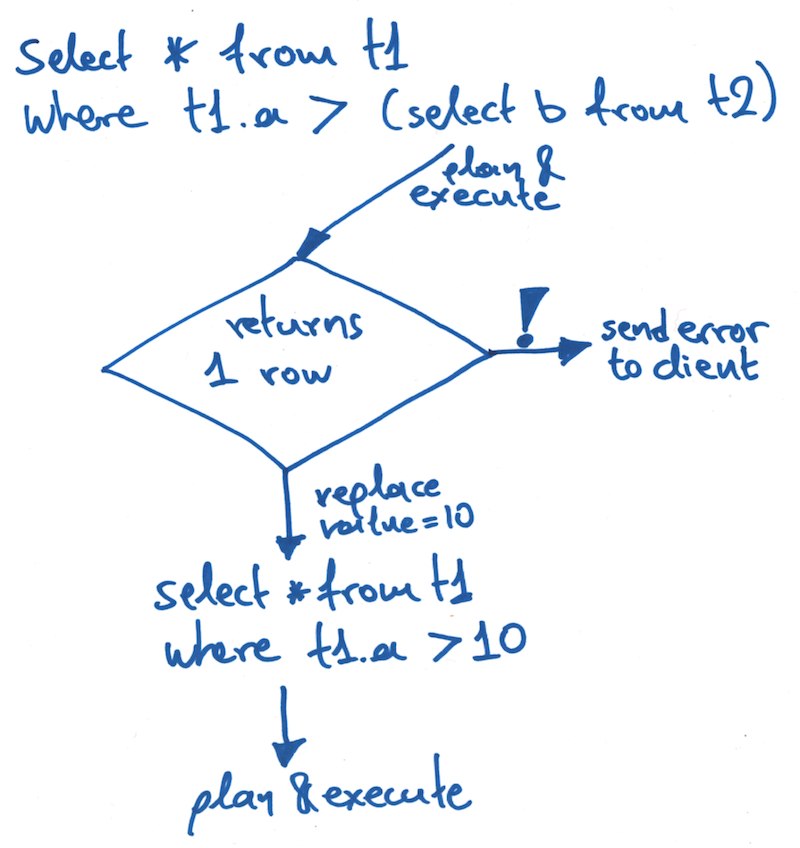
We recently added support for multi-row subselects. Memory can cause bottlenecks, but fortunately, we found the solution.
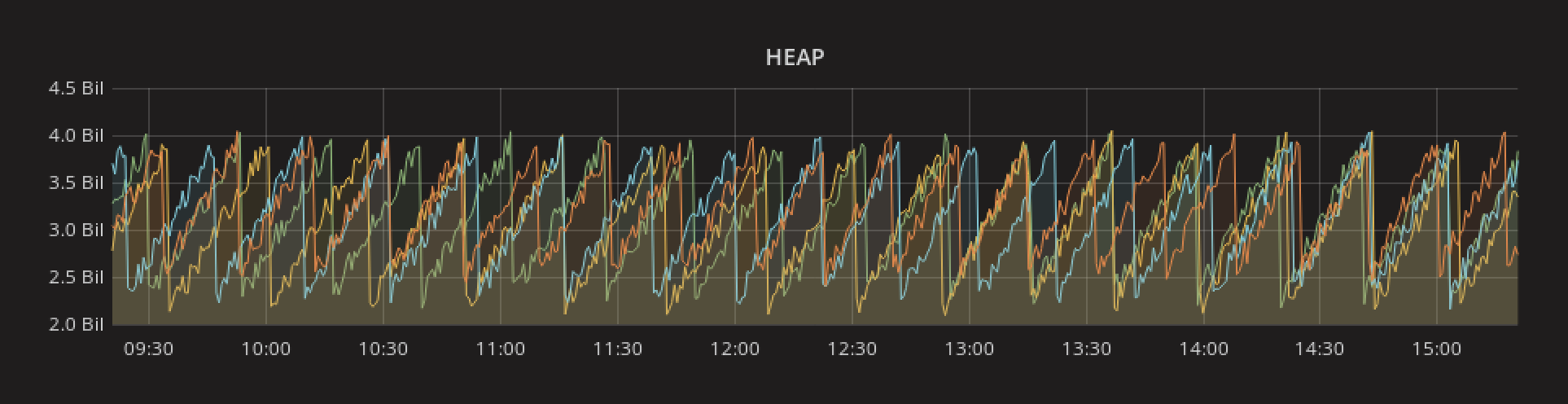
In this post we will show you what to look at when you're monitoring a distributed java application.
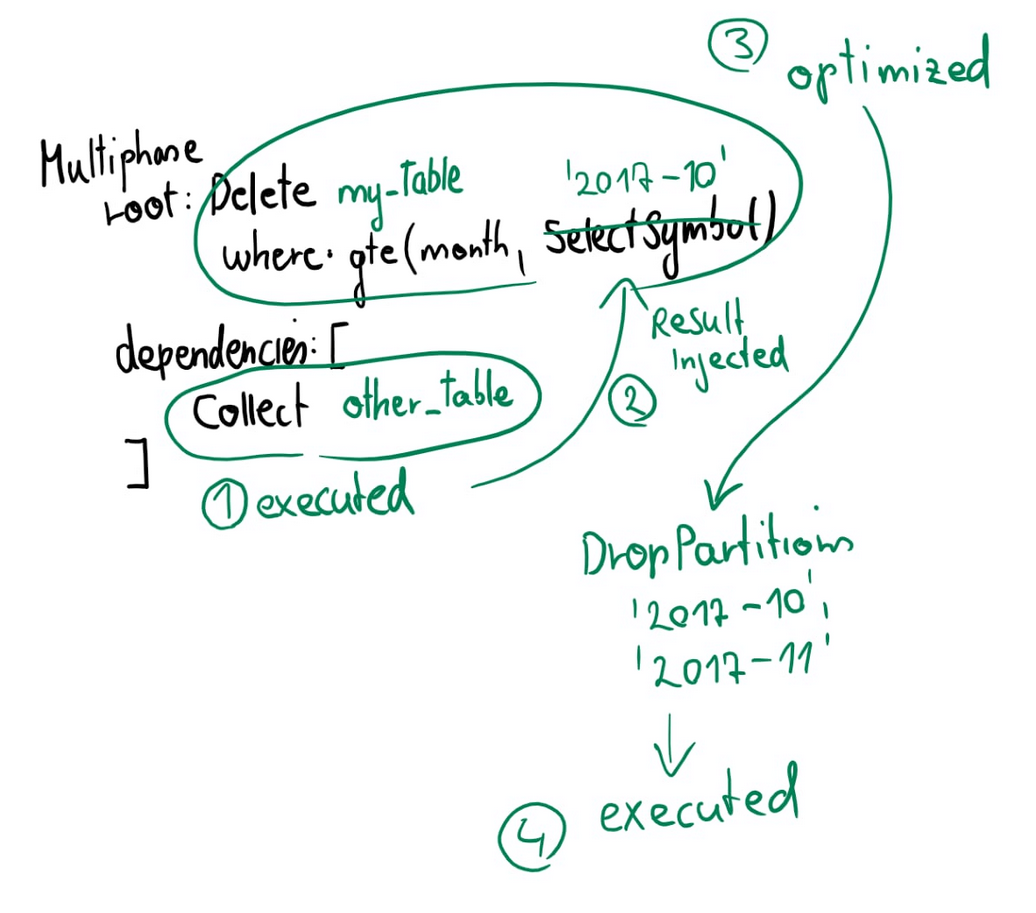
In this post, I will introduce scalar subqueries, explain what challenges we faced extending this feature in CrateDB, and then show you how we addressed those challenges.
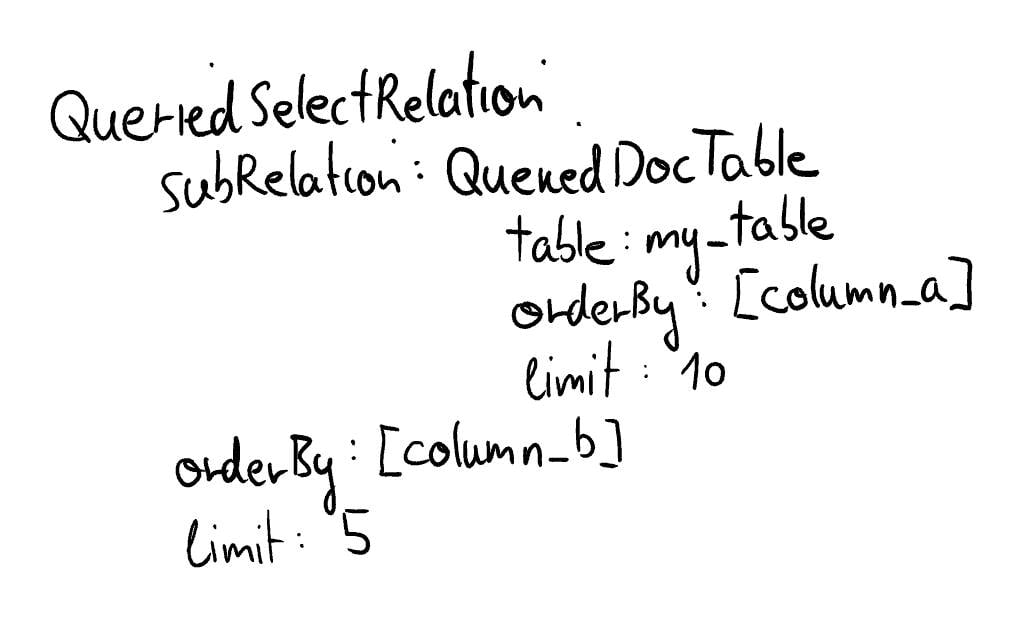
CrateDB now supports non-collapsable subselects. Let us introduce you to the problem, and show you the steps Crate.io took to solve it.
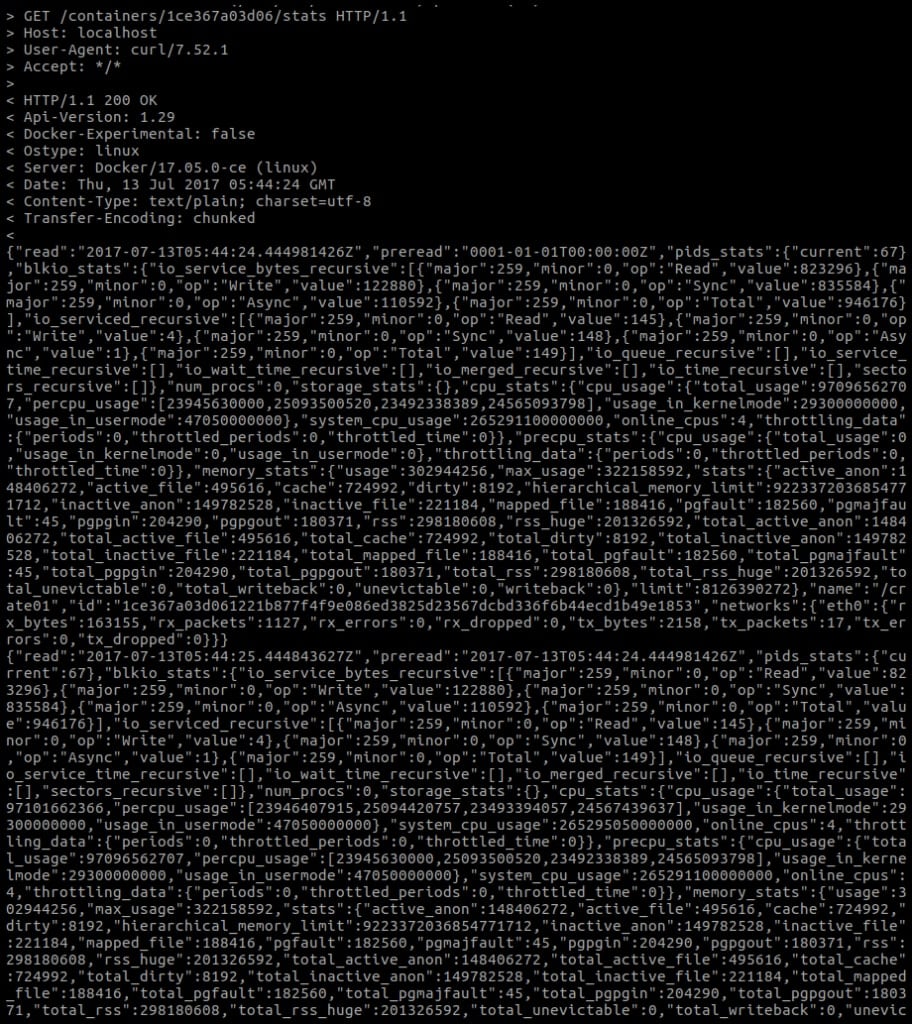
In this blog post, we will set up a small CrateDB cluster with Docker and go through some useful Docker commands that let us take a look at performance.
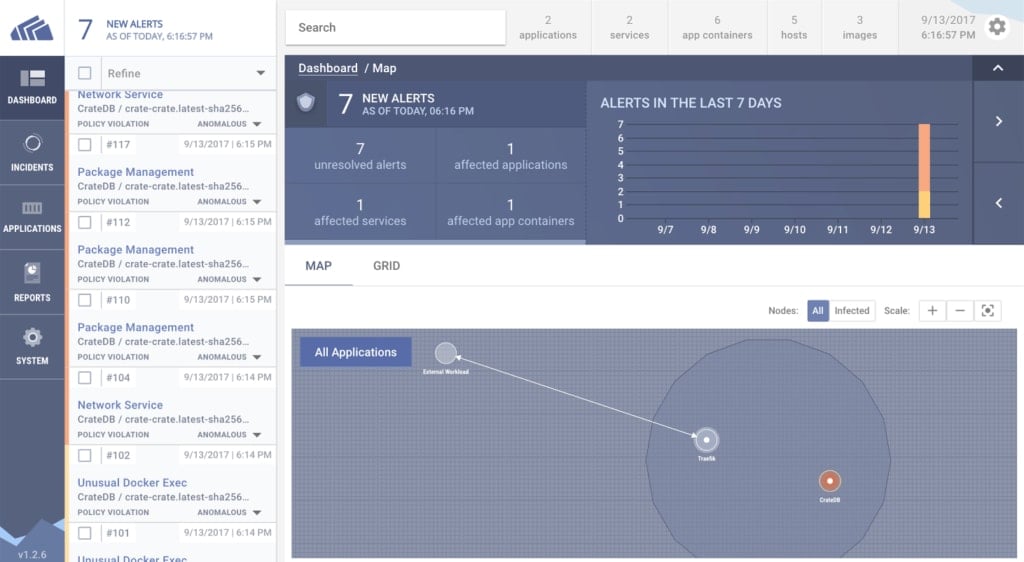
How we deployed StackRox to harden database security on our public-facing, Docker-based CrateDB cluster.
Learn why SQL subquery performance was 260x faster than a left join when querying 4.6 millions rows of ecommerce cross-sell data in a CrateDB database.