
The Rise of the Distributed SQL Database
The rise of distributed SQL databases has revolutionized application architecture, allowing scalability & flexibility without sacrificing the SQL power.
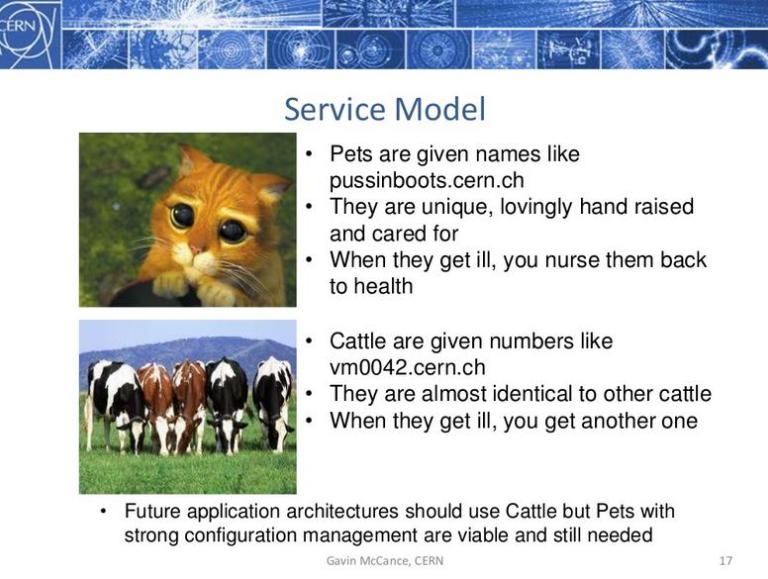
The rise of distributed SQL databases has revolutionized application architecture, allowing scalability & flexibility without sacrificing the SQL power.
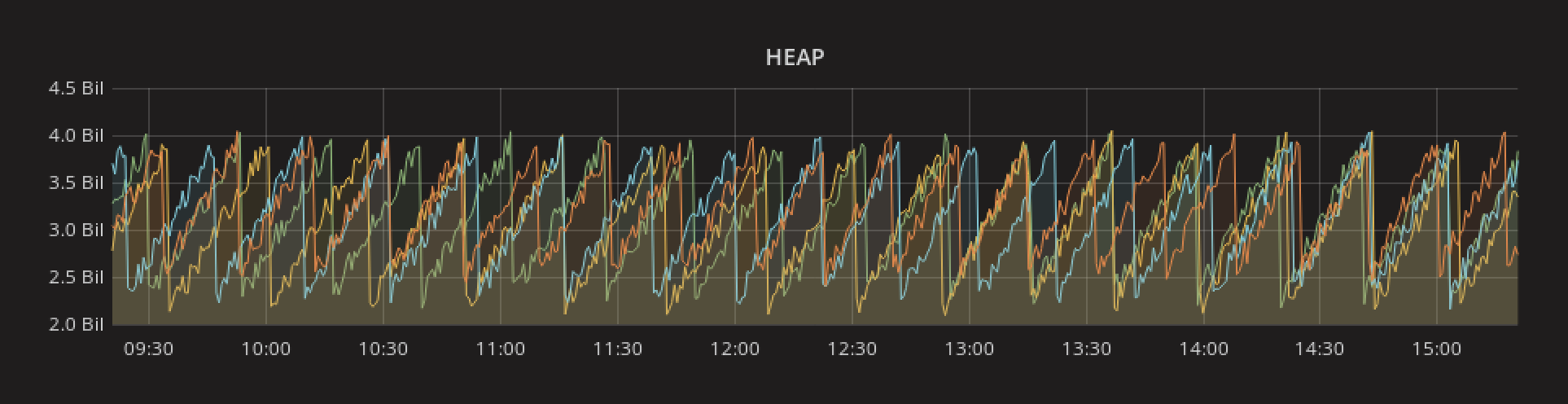
In this post we will show you what to look at when you're monitoring a distributed java application.
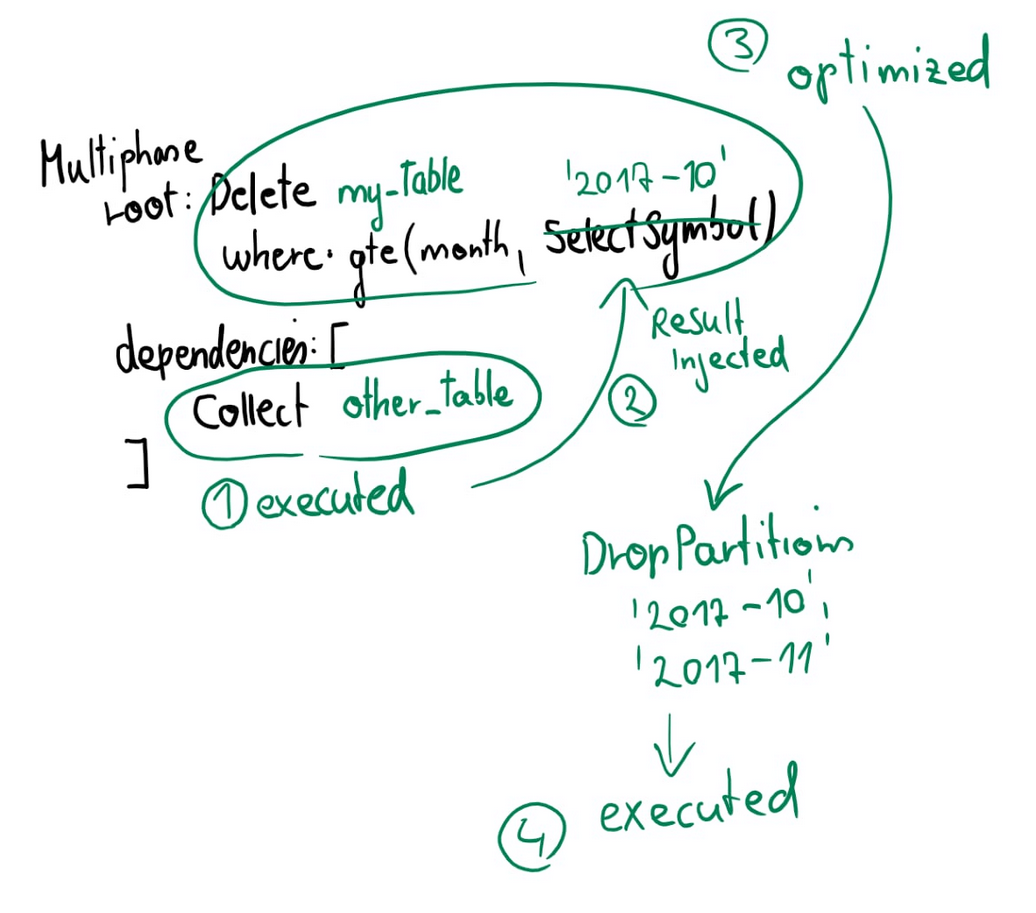
In this post, I will introduce scalar subqueries, explain what challenges we faced extending this feature in CrateDB, and then show you how we addressed those challenges.
A testing release of CrateDB 2.3 has just been published, and it's been enhanced with user password authentication, many SQL improvements, new doc and more.
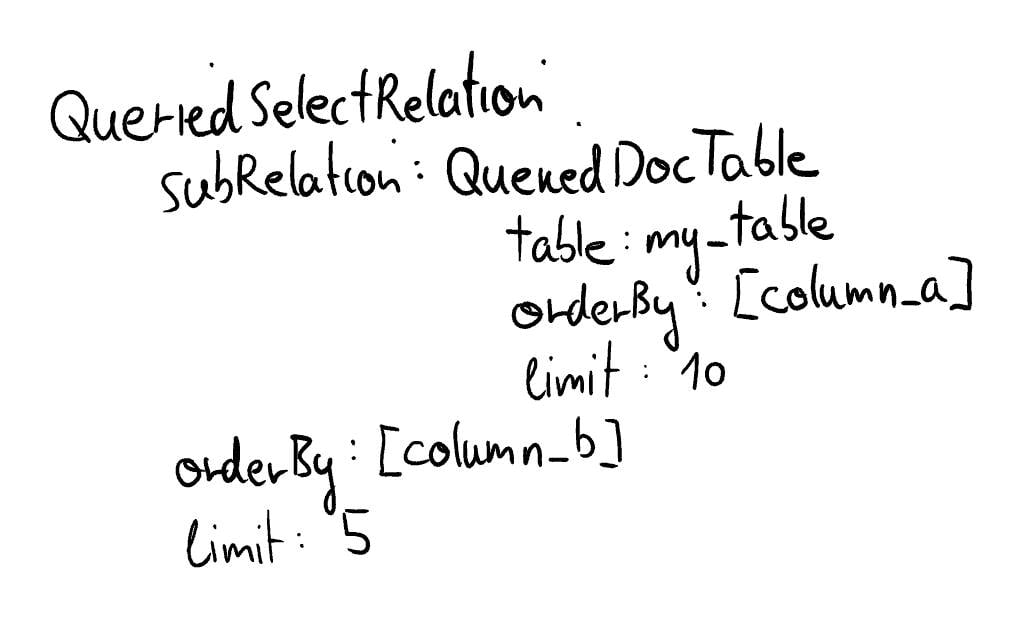
CrateDB now supports non-collapsable subselects. Let us introduce you to the problem, and show you the steps Crate.io took to solve it.
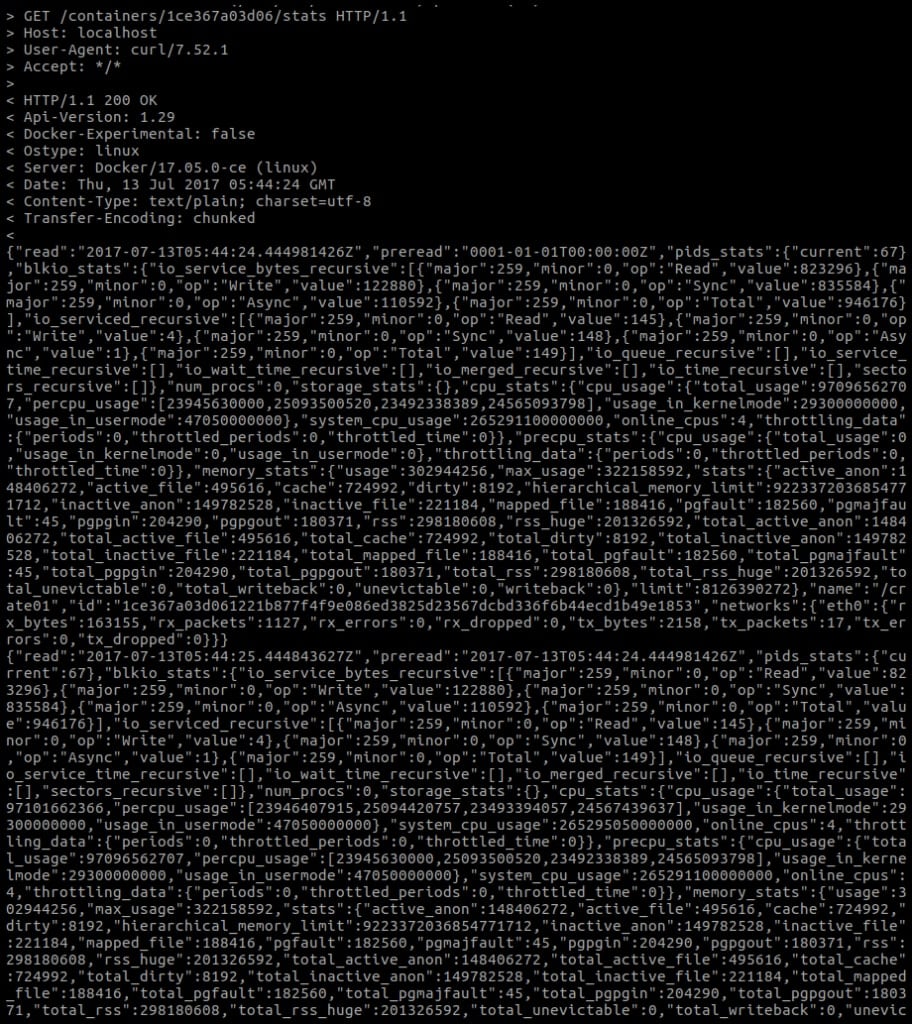
In this blog post, we will set up a small CrateDB cluster with Docker and go through some useful Docker commands that let us take a look at performance.
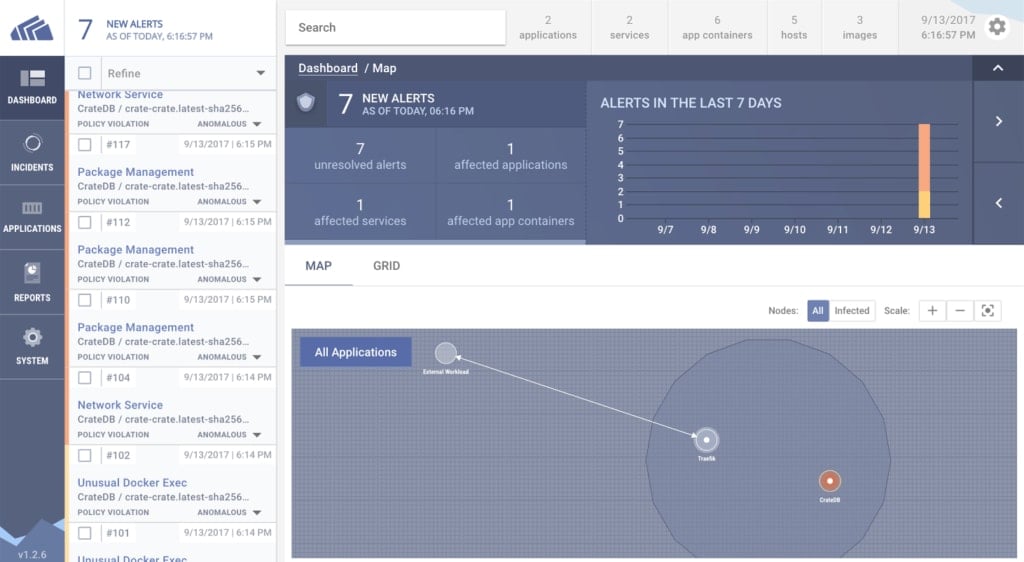
How we deployed StackRox to harden database security on our public-facing, Docker-based CrateDB cluster.
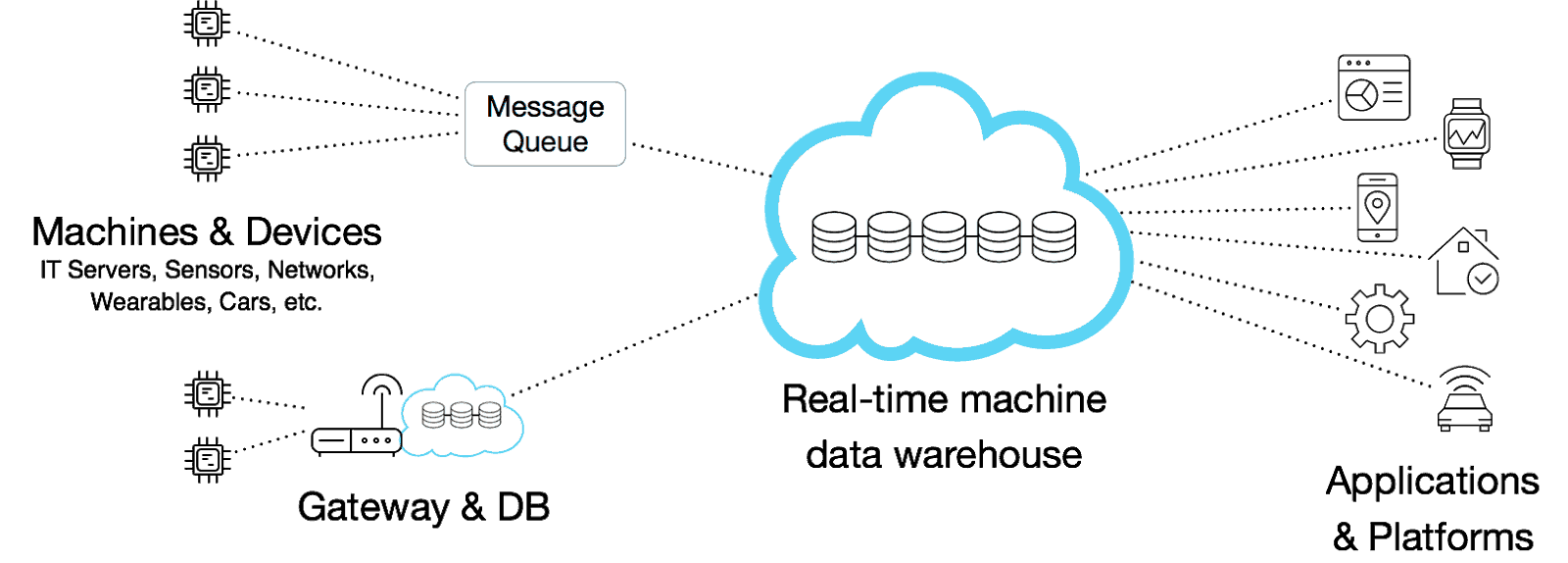
With the new CrateDB 2.2 testing release out now, we’re announcing the availability of the following...
Here's a roundup of our most recent webinars. Get started with CrateDB and learn more about Sensor Data, Log Data and Geospatial Data.
Learn why SQL subquery performance was 260x faster than a left join when querying 4.6 millions rows of ecommerce cross-sell data in a CrateDB database.