How to Ingest OPC-UA and MQTT Data into SQL with Telegraf and CrateDB
Learn how to seamlessly ingest OPC-UA and MQTT data into SQL using Telegraf and CrateDB, enabling real-time insights and efficient data management for industrial IoT.
Learn why industrial analytics become siloed per facility, why consolidation layers fail at operational speed, and how manufacturing and logistics teams query all sites in one SQL statement.
Build real-time industrial IoT analytics with Telegraf, CrateDB, and Grafana. SQL examples, architecture patterns, and proof from ALPLA, ABB, and TGW. Learn more.
Learn why batch export architectures make OEE dashboards too slow for shift supervisors, and how manufacturing teams cut query times from 3 to 5 minutes to milliseconds with a real-time analytics database
In this post, I am going to show you how to set up Telegraf and have it send metrics data to CrateDB.
Learn why InfluxDB's TSM storage model hits a cardinality wall at industrial scale, and how CrateDB stores 900 sensor types in a single table without a series ceiling.
CrateDB 6.3 enhances compatibility with SQL and PostgreSQL, unifies object store access, and improves resilience, making integration with third-party tools easier.
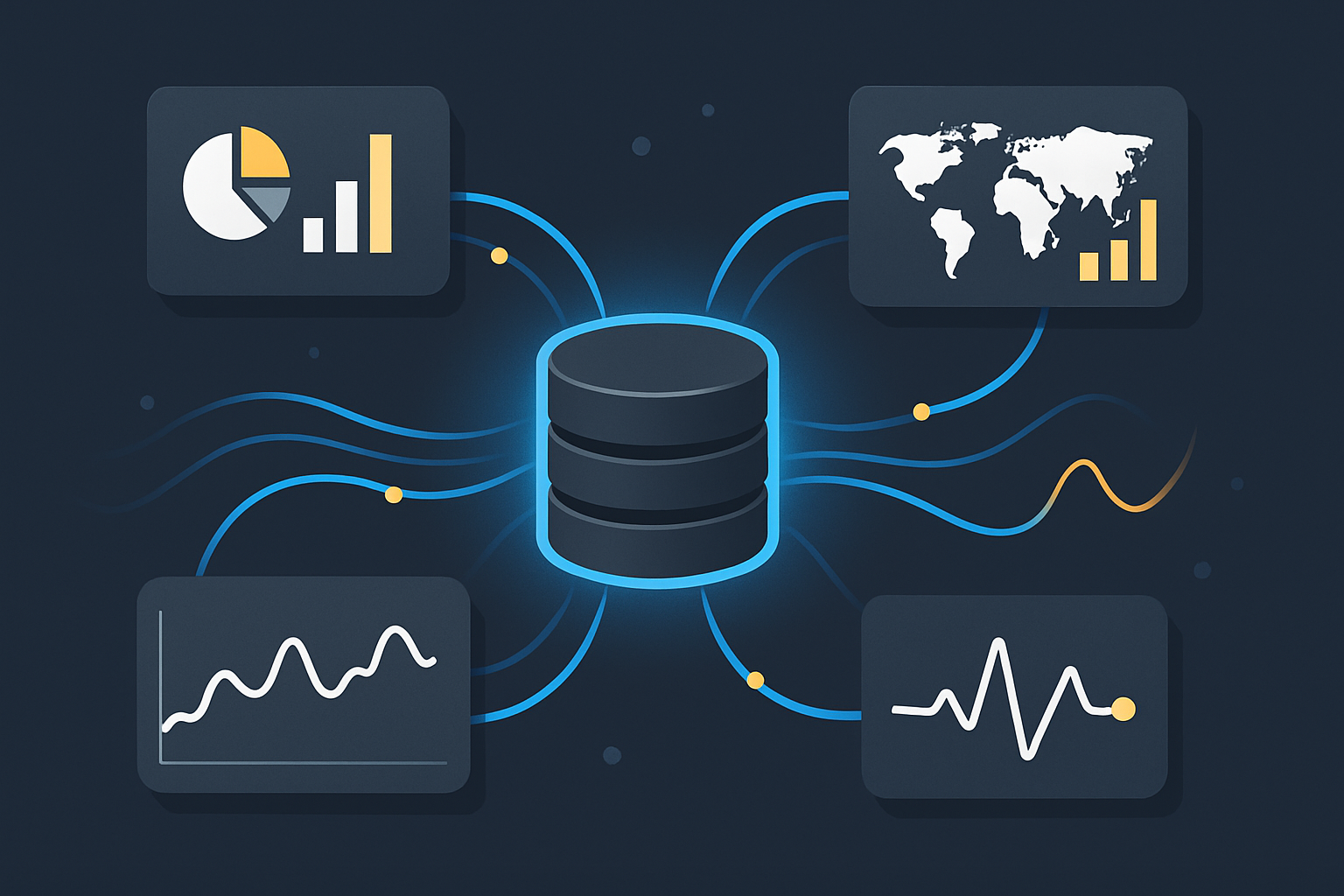
Managing billions of IoT events requires a new data architecture. Discover how CrateDB enables real-time analytics for industrial systems.
Discover why traditional databases struggle with industrial IoT data and how CrateDB's architecture addresses challenges like velocity, schema changes, and high cardinality.
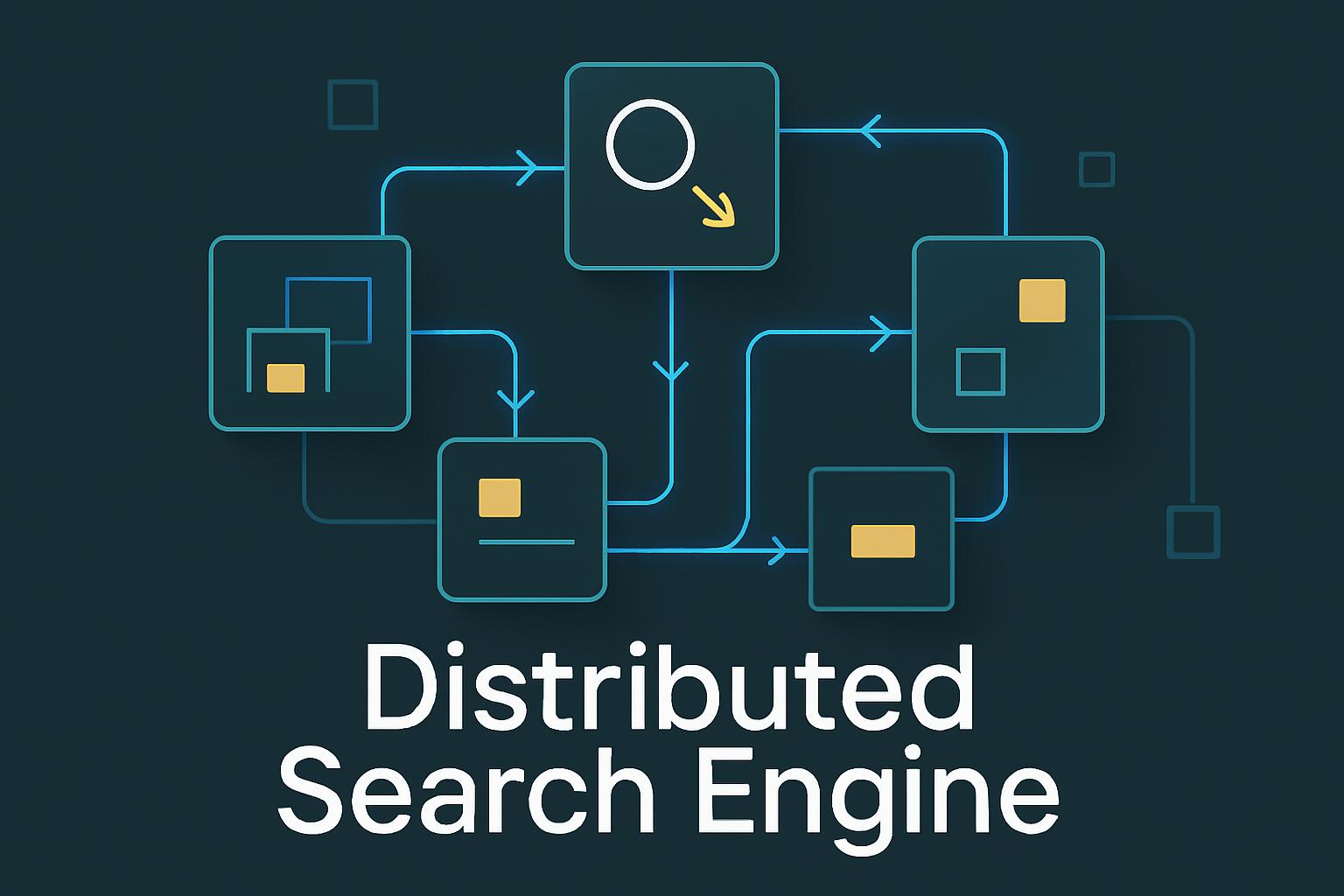
CrateDB enables high-cardinality IoT analytics, flexible JSON and search, edge-to-cloud IIoT, and unified machine-data observability in one distributed SQL engine.