
Analyzing and Visualizing Twitter Conversations
In his guest post, Candelario A. Gutierrez shows how he leveraged the CrateDB database into a customized platform for analyzing social-platform data.

In his guest post, Candelario A. Gutierrez shows how he leveraged the CrateDB database into a customized platform for analyzing social-platform data.
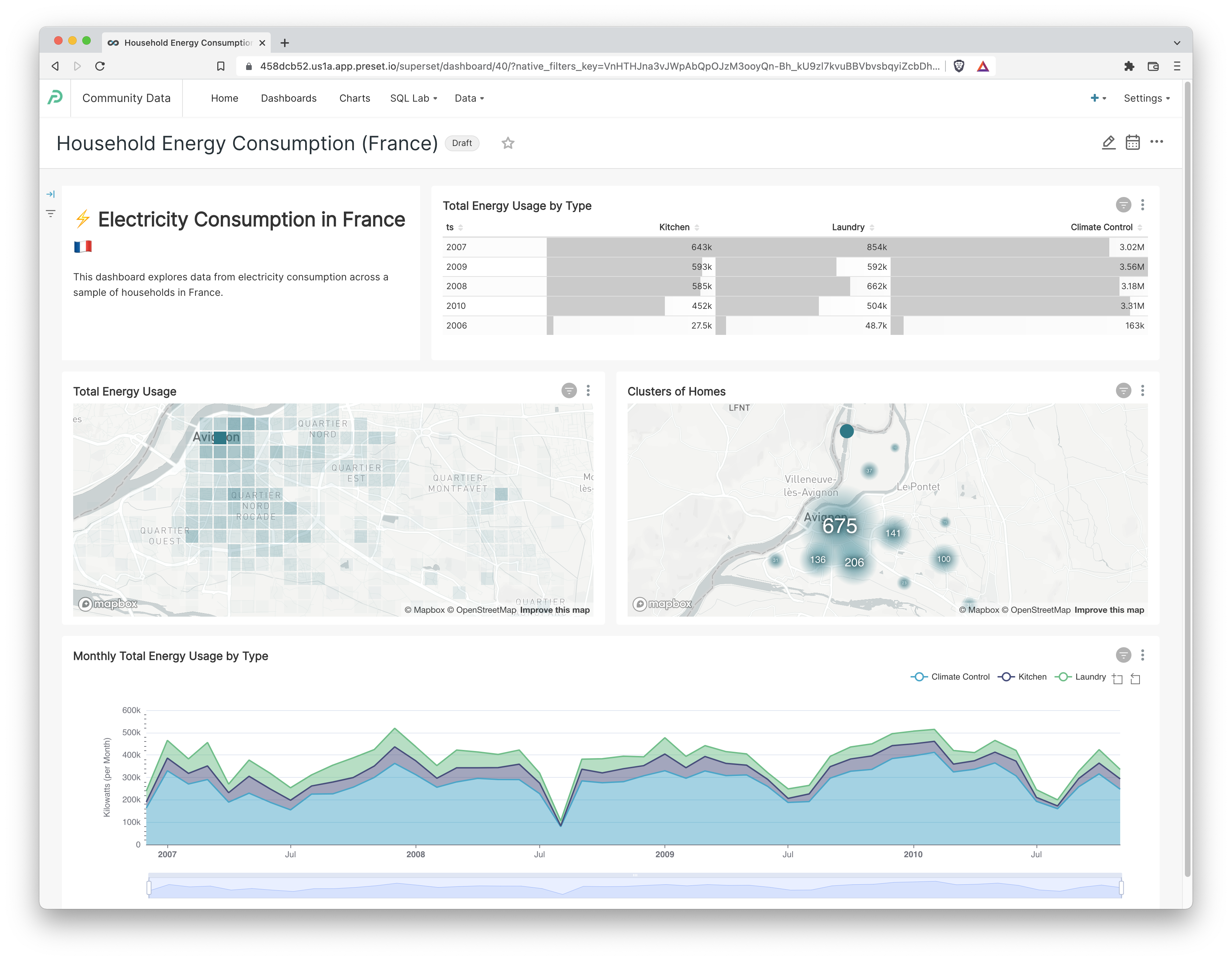
Introduction to Time-Series Visualization in CrateDB and Superset
With the release of CrateDB v4.7 we're adding improvements in SQL compatibility, scalar and aggregate functions, and PostgreSQL compatibility.
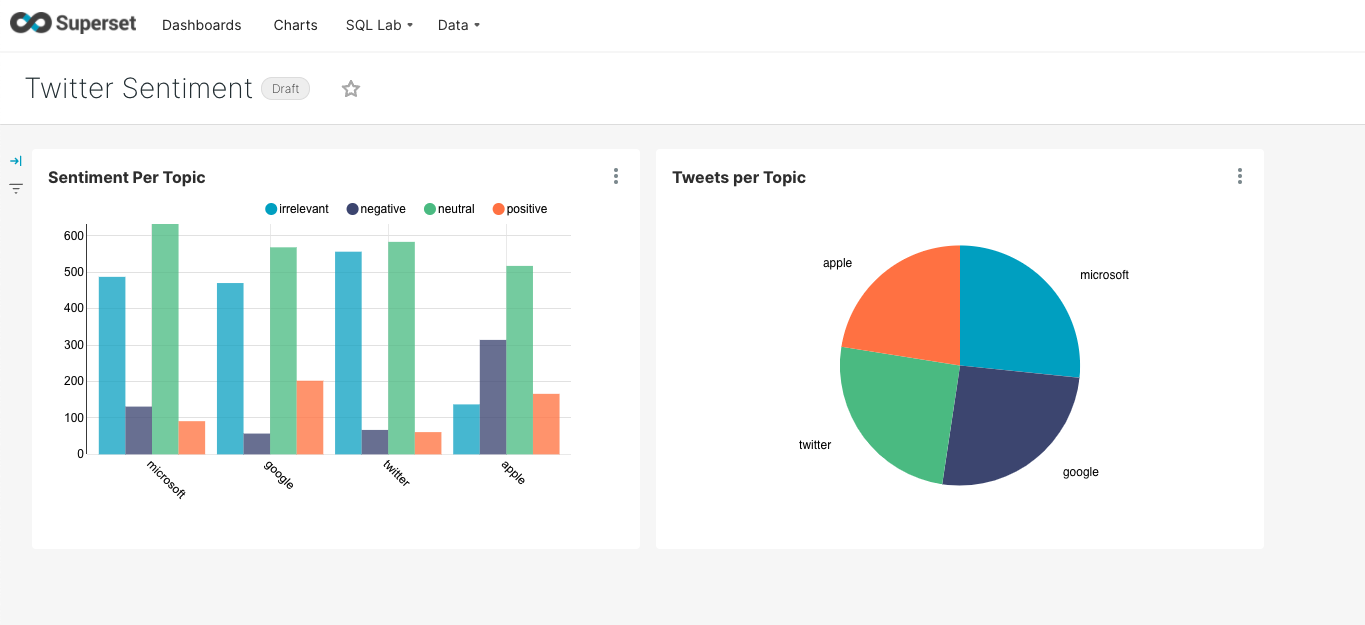
CrateDB and Apache Superset for Data Warehousing and Visualization
In this article series, we look from the bottom of CrateDB architecture and gradually move up to higher layers, focusing on different CrateDB internals.
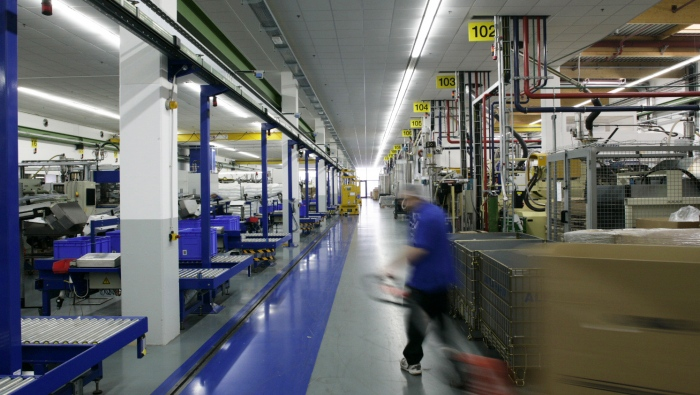
ALPLA decided on CrateDB. Later it turned out that this would be a win-win situation for both companies.
Performance benchmark explaining how a 56-node CrateDB cluster was able to ingest up to 4.8 million records per second on Microsoft Azure.
.png)
CrateDB allows ingesting large amounts of data, from hybrid sources and at scale, while allowing real-time queries with a familiar SQL interface. With the release of CrateDB v4.6 we continue to improve CrateDB to achieve these goals even better, based on our customer and user feedback.
.png)
In this tutorial, we show you how to export your tables from PostgreSQL/TimescaleDB and import them into CrateDB.

Apart from including the Enterprise features and new statements as the CREATE TABLE AS, with CrateDB v4.5 we've done work behind the scenes—with improvements in the documentation, error messages, and stability.