
Check the quality of your data using dynamic orchestration with Airflow
Learn how to use Airflow with CrateDB to orchestrate data quality checks.
Learn how to use Airflow with CrateDB to orchestrate data quality checks.
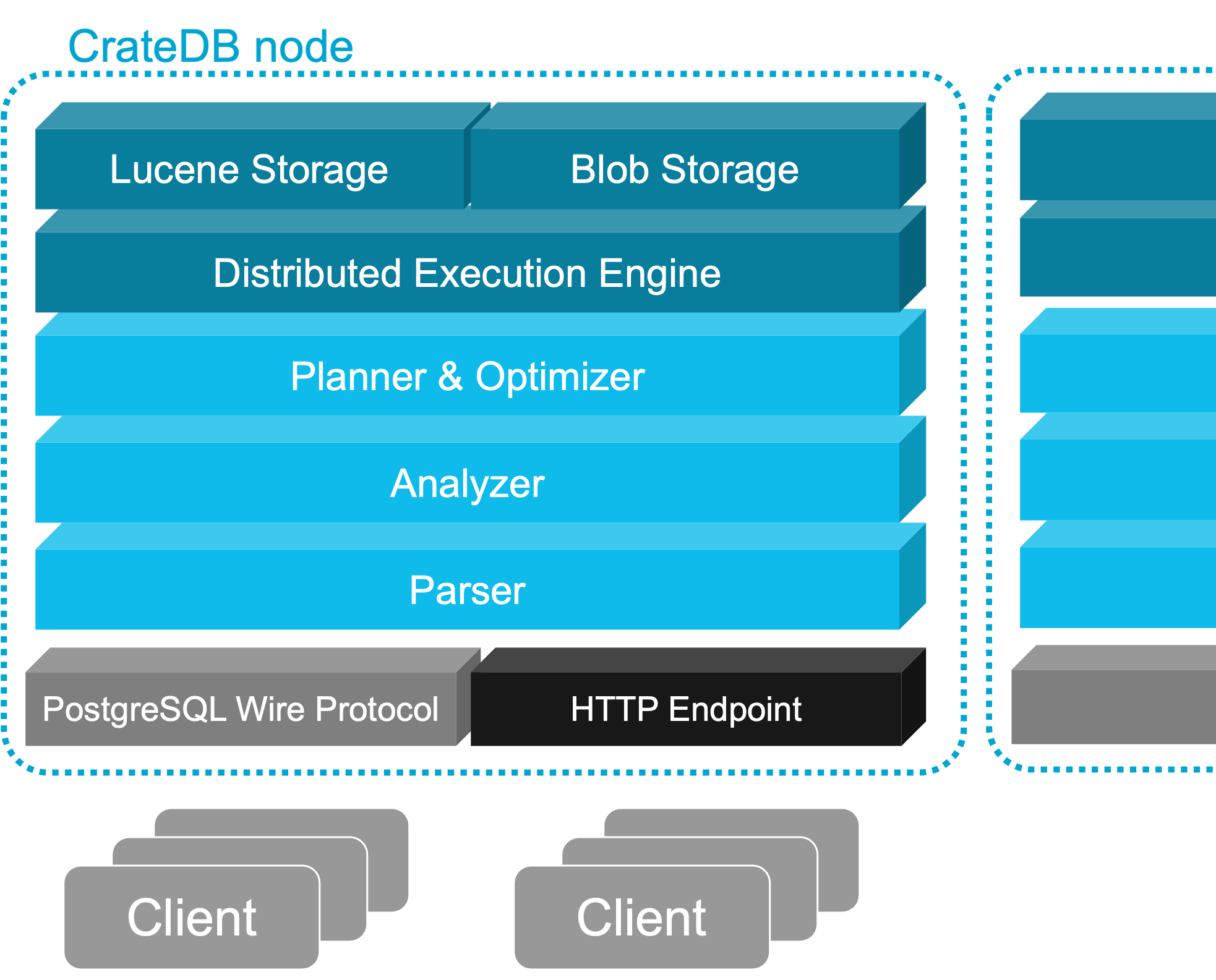
Learn how CrateDB generates execution plans, and the optimizations influence the order of operators!
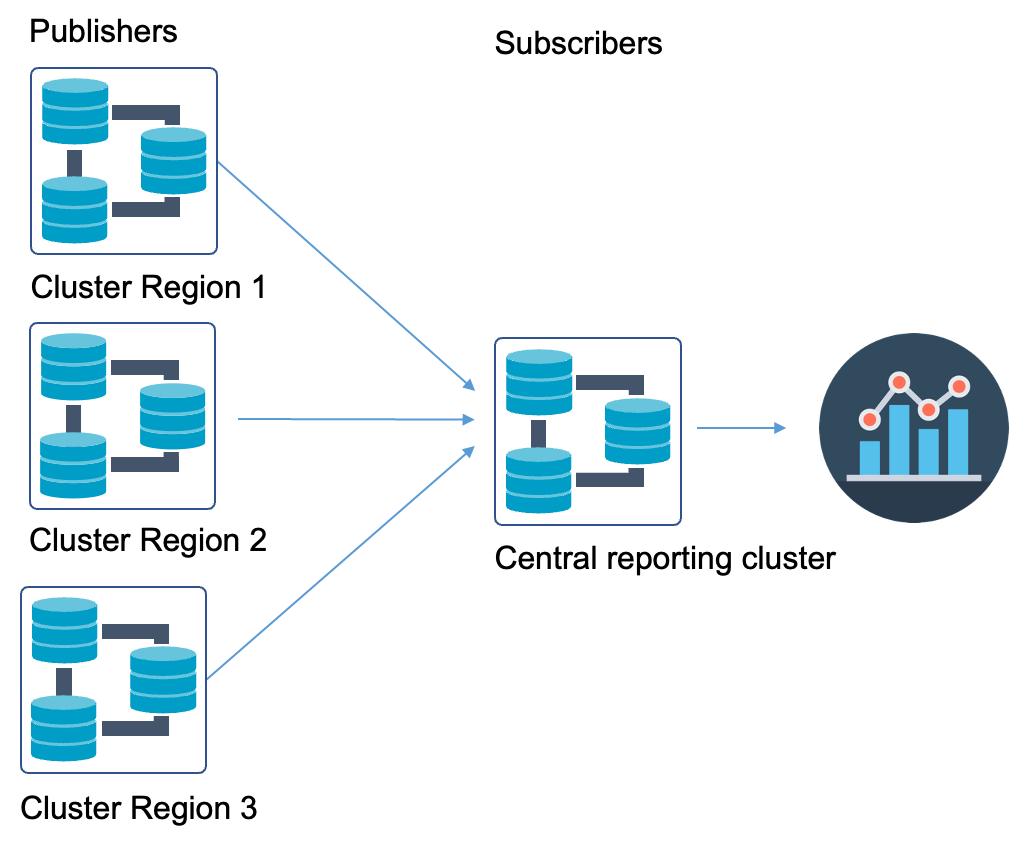
In this blog post, we introduce a new key feature in CrateDB 4.8: logical replication. Logical replication enables you to achieve high availability, effective failover management, and reduce search latency.
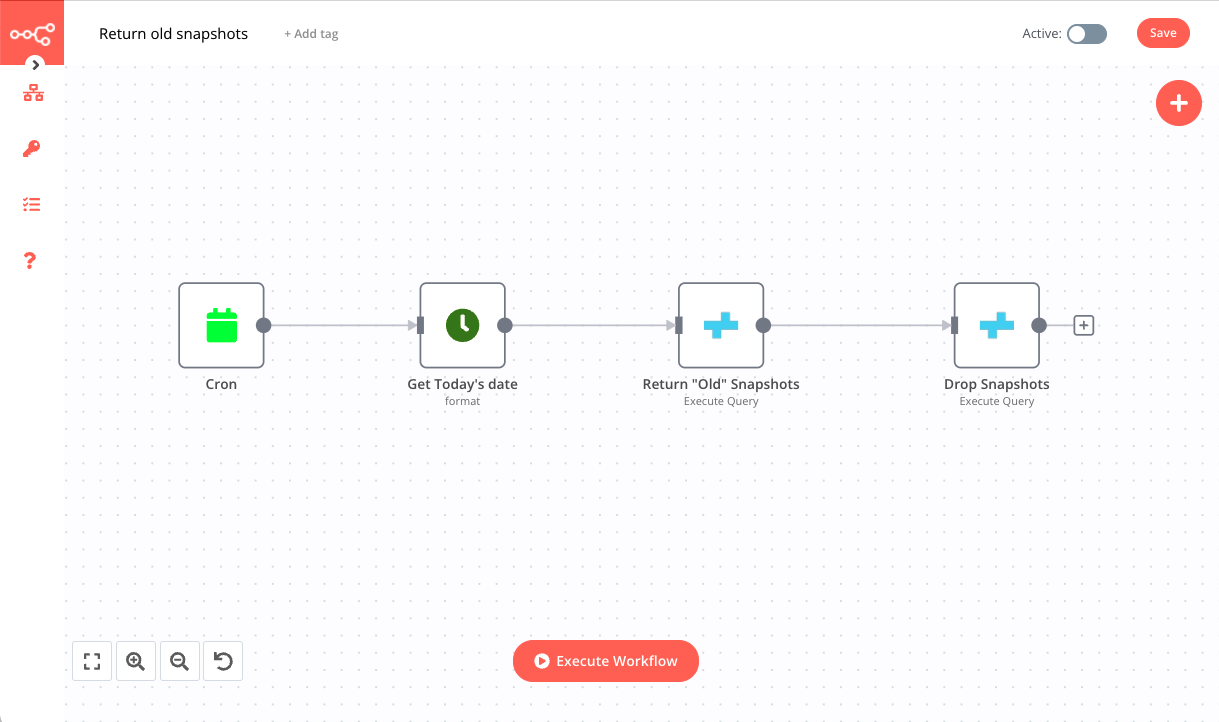
Learn how to keep your data safe by creating backups of your CrateDB database with low-code workflows.
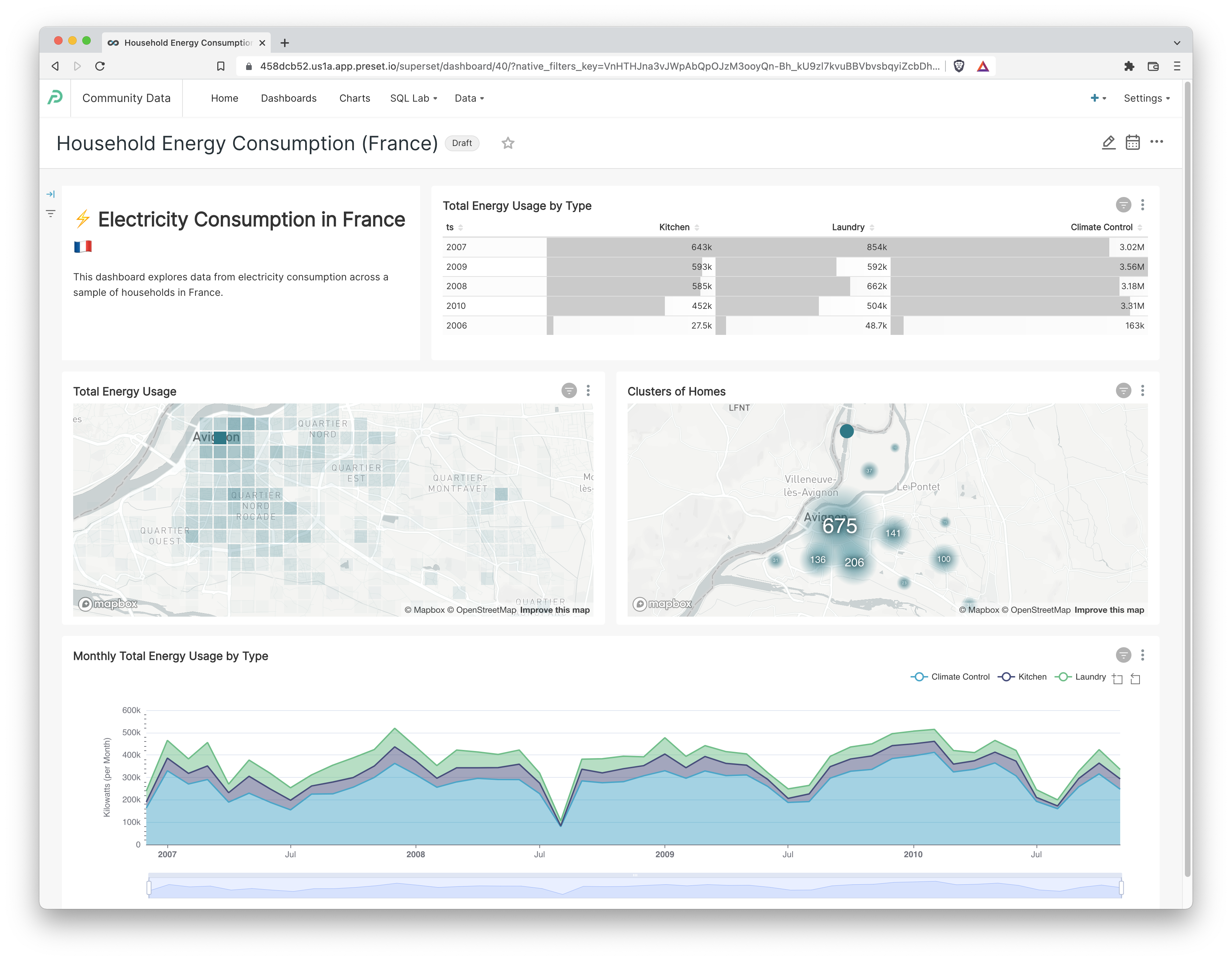
Introduction to Time-Series Visualization in CrateDB and Superset
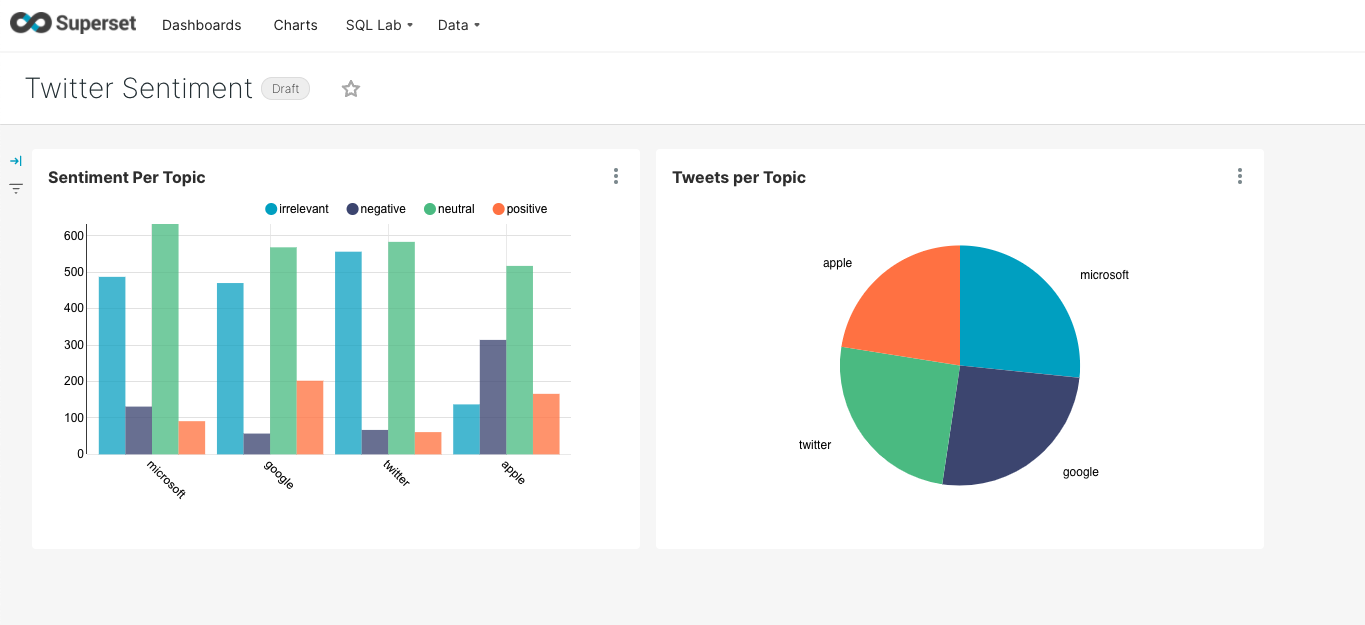
CrateDB and Apache Superset for Data Warehousing and Visualization
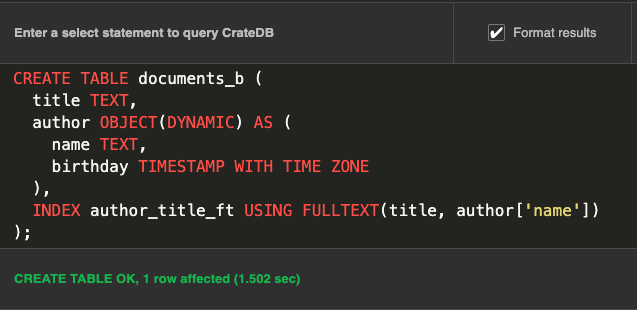
In this article series, we look from the bottom of CrateDB architecture and gradually move up to higher layers, focusing on different CrateDB internals.
.png)
CrateDB allows ingesting large amounts of data, from hybrid sources and at scale, while allowing real-time queries with a familiar SQL interface. With the release of CrateDB v4.6 we continue to improve CrateDB to achieve these goals even better, based on our customer and user feedback.
.png)
In this tutorial, we show you how to export your tables from PostgreSQL/TimescaleDB and import them into CrateDB.

Apart from including the Enterprise features and new statements as the CREATE TABLE AS, with CrateDB v4.5 we've done work behind the scenes—with improvements in the documentation, error messages, and stability.